Scenic landscapes
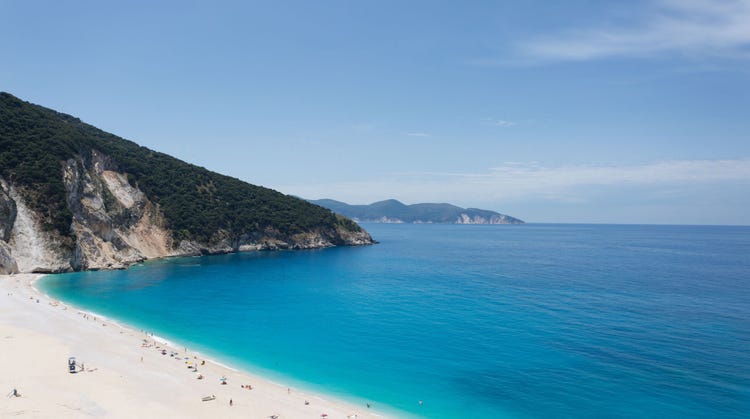
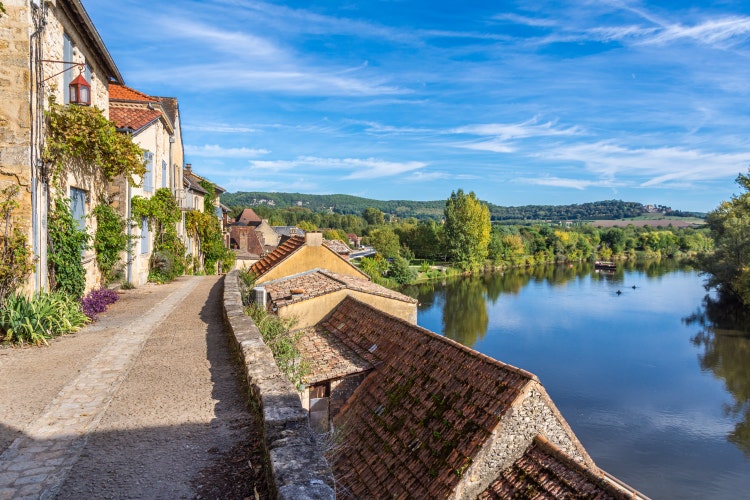
Grab your camera and take a walk through the quaint towns of the Dordogne. Venture further and uncover dramatic limestone cliffs and lush river valleys lined with walnut groves and poplar trees. Sounds idyllic, doesn’t it? The region’s wow-worthy landscapes are not to be missed.
Heaps of history
Uncover history around every corner in the Dordogne – from ancient stone walls and river crossings to prehistoric cave paintings, the region’s rich cultural heritage is everywhere. Be sure to visit sights like Castelnaud-la-Chapelle Castle and the Gouffre de Proumeyssac – history buffs, this one’s for you!
Local delicacies
Grab a bite at local markets offering tempting traditional delights, or enjoy a hearty meal at rustic, family-run country inns — in the Dordogne, good food is never far away. You can also head to a riverside bistro or café. Fresh bread, cheese and charcuterie are always on the menu!
What is the best time to visit Dordogne in the South West of France?
The ideal times are late spring (May to June) and early autumn (September to October). During these months you’ll enjoy mild weather, fewer crowds, and a full calendar of local festivals. Summer (July–August) is warmer and lively but busier, while winter offers tranquillity and lower prices.
What are the must-see attractions in Dordogne?
Top Dordogne attractions include the Lascaux IV Cave Centre, the medieval bastide town of Sarlat-la-Canéda, Château de Beynac, Château de Castelnaud, and the clifftop Gardens of Marqueyssac. Don’t miss a stroll through Périgueux’s historic centre and the stunning village of Domme.
What outdoor activities can I enjoy in Dordogne?
Dordogne is perfect for canoeing and kayaking on the Dordogne River, cycling the dedicated Voie Verte routes, hot-air ballooning over rolling countryside, horse riding through oak forests, and exploring limestone caves and prehistoric sites.
Is the Dordogne region family-friendly?
Absolutely. Families will love prehistoric theme parks (such as Parc du Thot), canoe trips on gentle rivers, safe riverside beaches, pony trekking, cycle trails suitable for all ages, and interactive museums that bring history to life.
How many days do I need to explore Dordogne?
A minimum of four to five days allows you to see key sites, experience local cuisine and enjoy outdoor activities. A week is ideal for a relaxed itinerary, uncovering hidden villages and taking leisurely river excursions.