

Historic riches
Tunisia’s past isn’t tucked behind glass – it's out in the open. Stand in the vast amphitheatre of El Jem, where gladiators once clashed, or trace mosaics in the Bardo Museum that look freshly laid. Roman roads, ports and centuries‑old medinas make history feel wonderfully close.
Sandy swathes
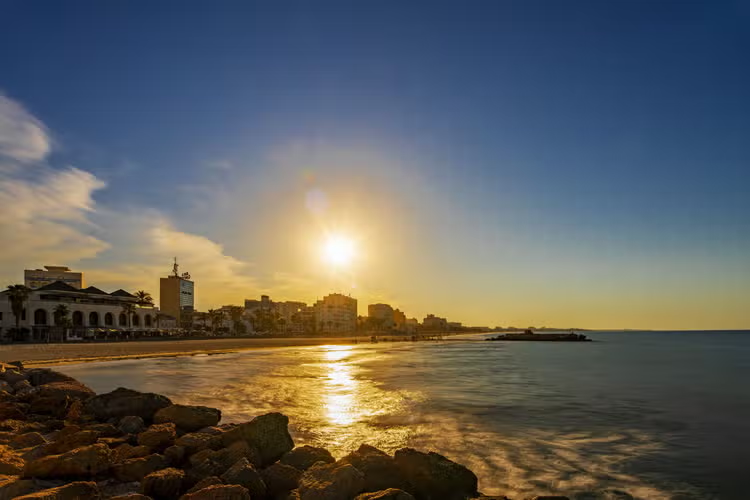
Tunisia’s coastline is a long ribbon of soft sand and clear, shallow water. Hammamet’s bays are perfect for lazy swims, while Sousse and Port el Kantaoui mix beach time with lively promenades. Down in Skanes, palm‑fringed shores and calm turquoise seas offer plenty of charm.
Food and flavour
Tunisian cooking is bold, bright and proudly local. Expect couscous steamed to perfection, brik pastries that shatter at first bite and seafood pulled straight from the Mediterranean. Harissa adds a fiery kick to almost everything, while market stalls brim with dates, olives and oranges that taste of pure sunshine.


What is Tunisia known for?
Tunisia is known for its Mediterranean coastline, warm weather, long sandy beaches and a mix of desert scenery and cultural heritage, making it a great choice for a relaxed sunshine break.
Is Tunisia good for families?
Tunisia offers calm seas, wide beaches and plenty of space around the resorts, making it suitable for families who want sunshine, gentle swimming conditions and a chilled holiday atmosphere.
What is the weather like in Tunisia?
Tunisia enjoys warm, sunny weather for most of the year, with hot summers and mild winters, giving you reliable conditions for relaxing outdoors.
Is Tunisia good for snorkelling?
Tunisia’s clear, gentle waters make it suitable for snorkelling, especially around sheltered coves and quieter stretches of coastline where visibility is often good.
Are there things to do beyond the beach in Tunisia?
Alongside its coastline, Tunisia offers desert viewpoints, cultural sites and scenic outdoor areas, giving travellers the option to explore more of the region’s landscapes during their stay.
