Hit the city
Do a day trip to Toulouse, AKA the ‘Pink City’ of France, where you’ll get to uncover a unique blend of history, culture and innovation. Potter around the charming streets lined with the famous, rose-tinged buildings, explore aerospace museums and relax in waterfront cafés along the Garonne River.
Hop on the train
Ditch the hire car for the day and take a more relaxed and scenic mode of transport. The handy Occitanie train network connects cities like Toulouse, Montpellier and Carcassonne, and provides easy access to beaches, mountains and charming villages. A day pass starts from around €10 per day.
What is Occitanie known for?
Occitanie is an administrative region created in 2016 by merging Languedoc-Roussillon and Midi-Pyrénées. It covers a vast area from the Mediterranean coast to the Pyrenees mountains. Known for its diverse landscapes, rich heritage and vibrant culture, Occitanie is a top destination in the south-west of France.
What are the must-see attractions in Occitanie?
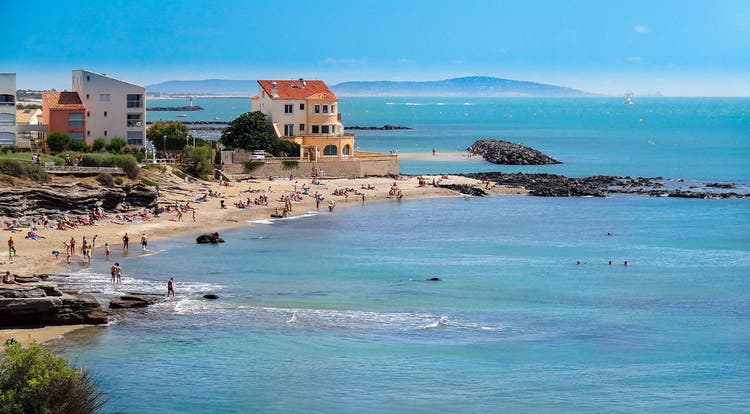
Occitanie boasts an array of highlights: the medieval citadel of Carcassonne, a UNESCO World Heritage site; the Canal du Midi, perfect for cycling and boating; the Pont du Gard aqueduct; the colourful streets of Toulouse (the “Pink City”); and the stunning Cathar castles such as Montségur. Don’t miss the scenic Gorges du Tarn or the shimmering Mediterranean beaches along the Languedoc coast.
When is the best time to visit Occitanie?
The prime months to explore Occitanie are May to September. Summers are warm and perfect for beach activities along the Mediterranean, while spring and early autumn offer pleasant temperatures for hiking in the Pyrenees or sightseeing in UNESCO sites like Carcassonne.
Is Occitanie family-friendly?
Absolutely. Families can enjoy water parks on the Mediterranean coast, boat cruises along the Canal du Midi, wildlife spotting in the Ariège mountains, interactive science centres in Toulouse, and plenty of child-friendly beaches around Montpellier and Sète.
What local dishes should I try in Occitanie?
Sample regional specialities such as cassoulet (slow-cooked beans with duck or sausage), foie gras, Roquefort cheese, and croustade aux pommes (apple pastry). Local wines from Cahors, Gaillac and Corbières complement these flavours perfectly.